
Laboratory Director:
- Guodong Wang
- Kunming Institute of Zoology, Chinese Academy of Sciences
- Professor
- PhD graduated from Kunming Institute of Zoology
- E-mail: wanggd@mail.kiz.ac.cn


Recipient of the National High-level Talent Special Support Program for Young Top-notch Talents, and the Yunnan Provincial High-level Talent Cultivation Support Program. Awarded the Chinese Academy of Sciences Youth Scientist Award, Yunnan Provincial Mid-career Academic and Technical Leaders, Outstanding Member of the Chinese Academy of Sciences Youth Innovation Promotion Association, and Excellent Reviewer of the Year in 2021.
Currently serving as a committee member of the Animal Behavior Branch of the Chinese Society of Zoology, and a member of the Fourth Committee of the Biological Evolution Theory Committee of the Chinese Society of Zoology. He is also a co-founder of the Dog10K Consortium (International Dog Genome Consortium).
Has published over 50 papers, including more than 20 as the first or corresponding author in renowned international journals such as Nature Communications, Molecular Biology and Evolution, National Science Review, and Nucleic Acids Research.
Has led or participated in multiple national, provincial, and institutional research projects, such as the National Key R&D Program – Key Scientific Issues in Transformative Technologies (participant), the National Natural Science Foundation – General Projects (lead), and the "Brain Science and Brain-like Research" National Key Scientific and Technological Special Projects (participant), among others.
Has participated in or led the application for multiple patents, which have been authorized.
As the first domesticated animal and humanity's closest companion, the domestic dog (Canis familiaris) has followed humans across diverse ecological environments. The primary interest is to outline a picture of when, where, and how the domestication of dogs occurred, and to understand their migration history.
Domestic dogs possess unique abilities to understand human social behavior, which is a result of domestication. This research aims to understand the genetic basis of dog behavior, as well as the genetic underpinnings of human-related psychiatric disorders such as obsessive-compulsive disorder, depression, and autism. This will aid in the genetic analysis of human-related diseases.
The genetic basis of artificial domestication holds significant importance in evolutionary biology. Using whole genome sequencing, we aim to understand the genetic foundations of artificial selection and compare them with natural selection.


Research Secretary, Ancient DNA Research


Research on Canine Cognition and Behavior, Exploring the Fascinating Reasons Behind Dogs' Behavior


Member of the IUCN Crane Specialist Group, conducting migration behavior research on migratory birds, including the Black-necked Crane, using satellite tracking technology.


Management of High-Performance Computing Systems and Bioinformatics Analysis for the Laboratory

Daily management of the Ancient DNA Laboratory and promoting the orderly conduct of related research experiments.

Research related to Mesenchymal Stem Cell Therapy.
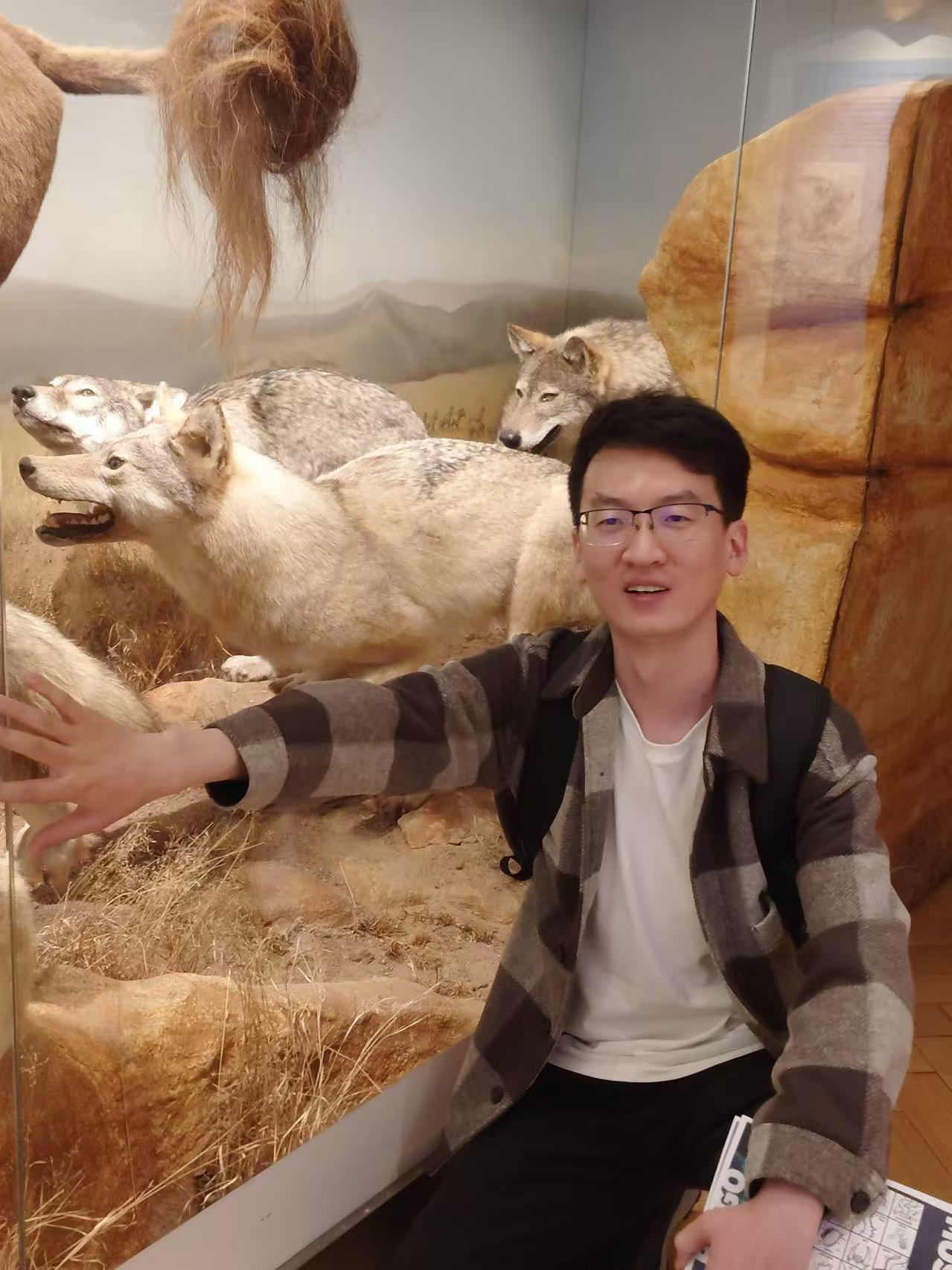

Ancient DNA and Genetic Evolution

Exploring the Molecular Mechanisms of Cognitive Function Using Single-Cell Technologies


Mesenchymal Stem Cell Intervention in the Aging of Domestic Dogs


Animal Genetics and Evolutionary History
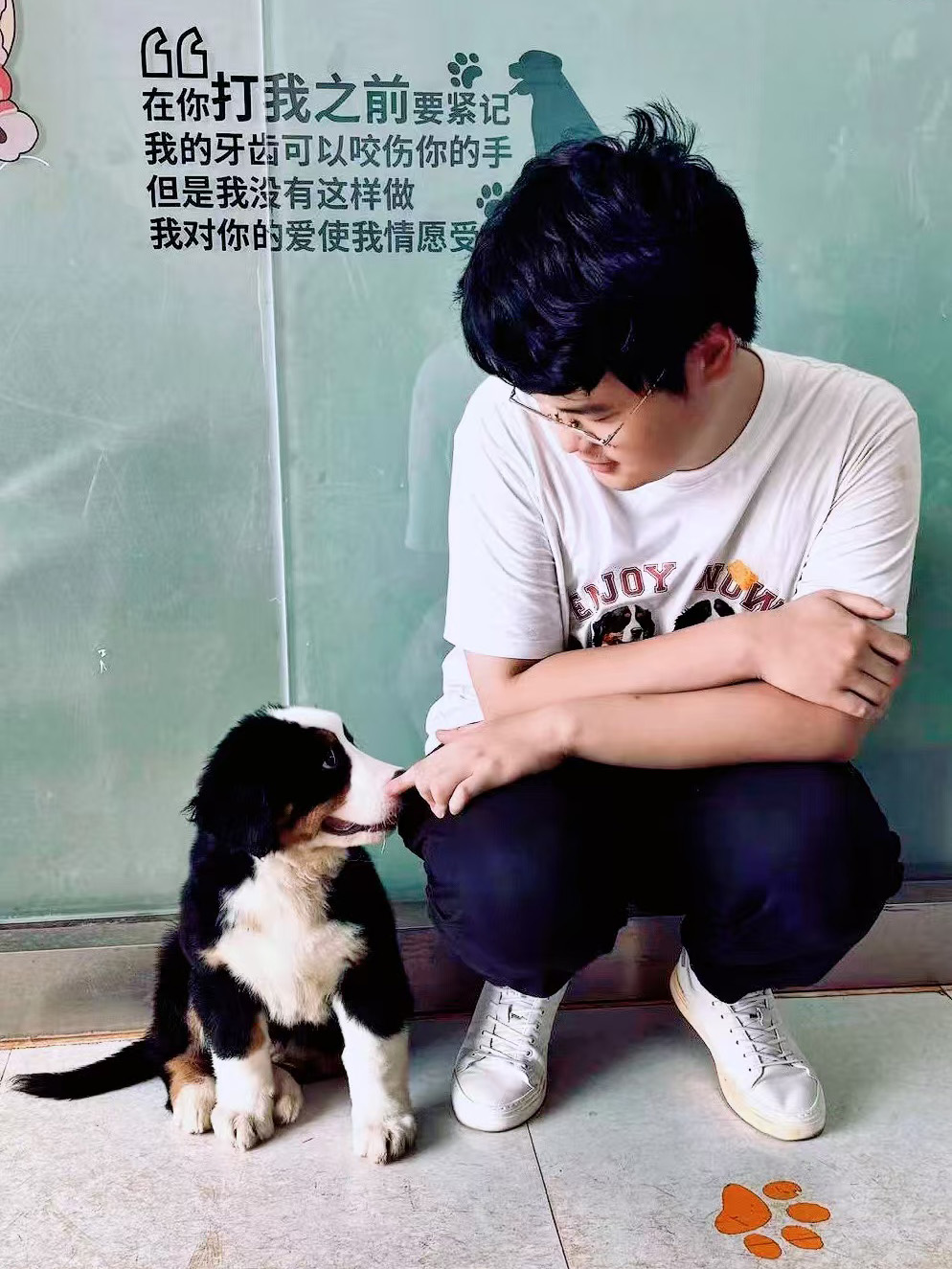

Behavior, Cognition, Socialization, and Theory of Mind in Domestic Dogs

Ancient DNA of Domestic Horses and Goats


Using ancient DNA technology and genomics analysis to investigate the population genetics and gene flow characteristics of ancient domestic dogs in northern Eurasia.

Experimental validation of downstream effects in Msrb3 gene mutant mice, exploring the changes after mutation in various aspects.
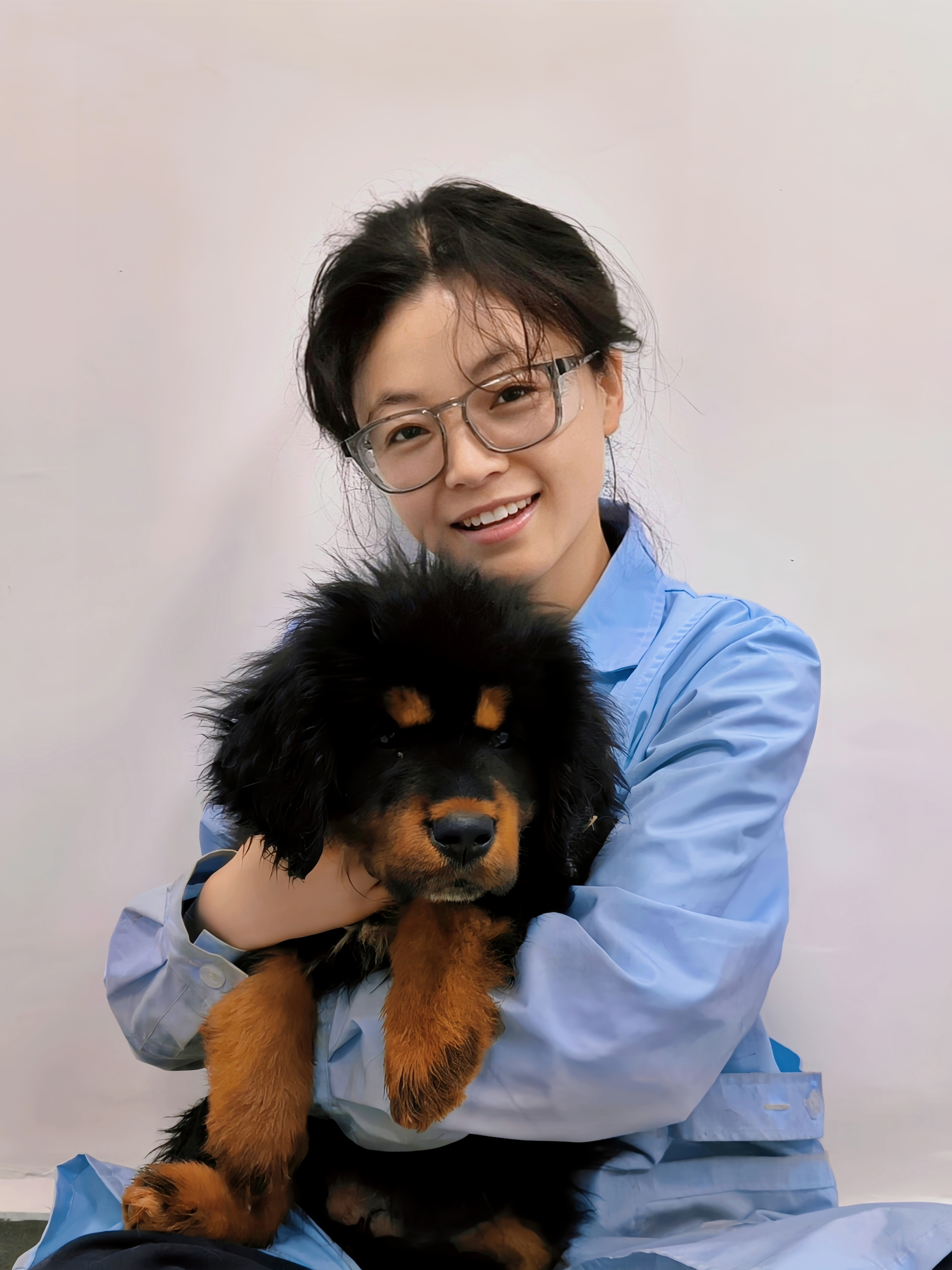
Using a combination of behavioral testing and computational behavioral science to comprehensively assess the complex behaviors of domestic dogs, providing theoretical guidance and methodological support for dog training and behavioral research.

Exploring the evolutionary history of the Asian golden cat from a whole-genome perspective using museum specimens, providing scientific guidance for the protection of endangered species and maintaining biodiversity.


Exploring the history of Siberian ancient canids through mitochondrial genomes.

The impact of space radiation on genetic variation in Fusarium fungi.


Mesenchymal stem cell differentiation in domestic dogs.

Exploring the empathy behavior of domestic dogs using questionnaire surveys and facial recognition technology.

Study of domestic dogs' aversion to inequality through micro-expression and posture analysis.

Study of domestic dogs' jealousy behavior through facial expressions and body posture recognition.